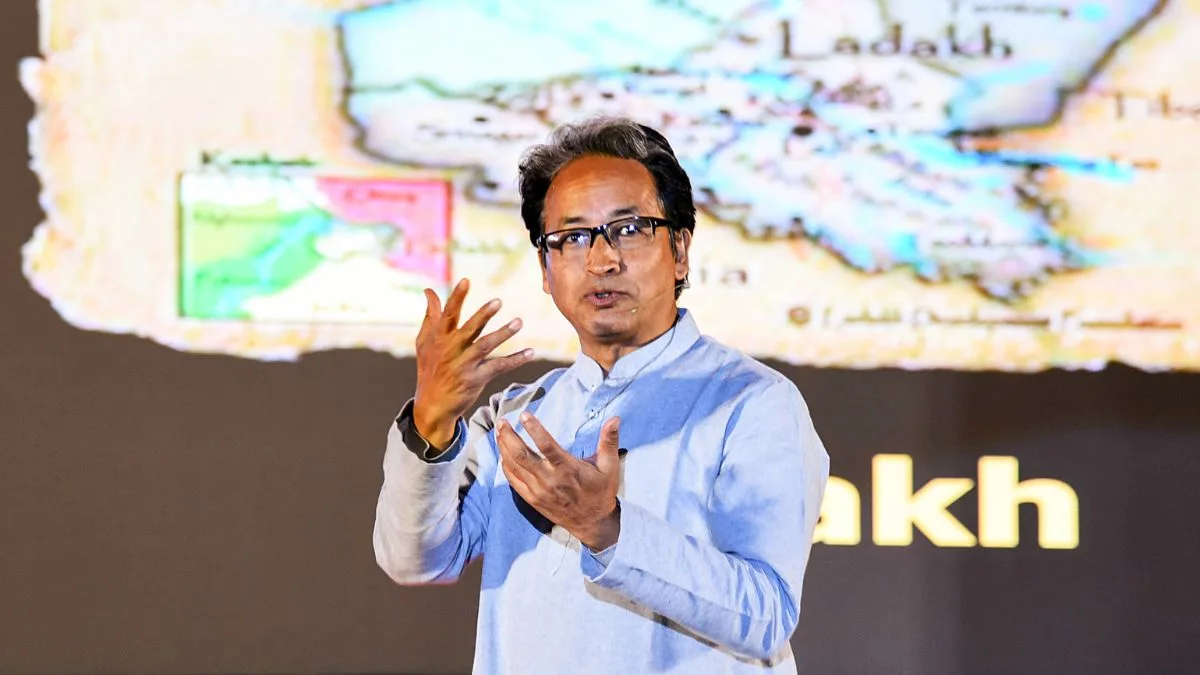
Climate activist Sonam Wangchuk has faced severe consequences for his activism as he was detained under the National Security Act (NSA) and transferred to Jodhpur Jail in Rajasthan on Friday, October 13, 2023. The Ladakh administration confirmed his arrest in a midnight announcement.
The detention occurred merely two days after violent protests erupted in Leh, fueled by demands for statehood as well as the implementation of the Sixth Schedule, which offers special autonomy to certain regions. These protests turned deadly, with reports indicating four fatalities and 90 injuries resulting from police firing.
Wangchuk initiated a 35-day hunger strike on September 10, 2023, pushing for statehood and environmental protections for Ladakh. However, he ended his fast on September 24 amid escalating violence in the region.
Responses to Wangchuk’s arrest surged on social media, with many netizens labeling the day as a “black day” for Ladakh. Calls for the resignation of Lt. Governor Kavinder Gupta intensified, attributing blame to him for the “indiscriminate” police firing that claimed lives, including that of a retired soldier.
The official release from the government cited Wangchuk’s ongoing activities as a threat to the security of the state. It stated, “Time and again, it has been observed that Shri Sonam Wangchuk has been indulging in activities prejudicial to the security of the state and detrimental to the maintenance of peace.”
The Ladakh administration also emphasized that despite clear communications regarding a High-Powered Committee (HPC) meeting, Wangchuk continued his hunger strike, prompting a series of violent protests and chaos in Leh.
Among the details provided was a troubling account of destruction during the protests—properties, vehicles, and institutions lay affected. “Police personnel were attacked, leading to the unfortunate deaths of four individuals,” the government noted, adding that the situation could have been prevented had Wangchuk opted for dialogue over defiance.
The press release further indicated that Wangchuk’s provocative rhetoric and public engagements were detrimental to public order. The administration stated, “In the backdrop of his provocative speeches and videos, for the larger public interest, it was not advisable to keep him in Leh District.”
Ultimately, the administration believed that to combat unrest and restore peace, it became essential to relocate Wangchuk away from Leh. The decision to transfer him to Jodhpur stemmed from specific intelligence inputs concerning his actions.
As the news of Wangchuk’s detention continues to spread, conversations regarding the political landscape in Ladakh are likely to intensify. The unfortunate series of events raises questions about the handling of peaceful protests and the role of civil liberties in the region.
Experts suggest that the local government faces mounting pressure to address the grievances of Ladakhis, who have expressed dissatisfaction with their current status since the abrogation of Article 370.
For now, many in Ladakh and beyond await further developments in this situation, hoping for a peaceful resolution that can ensure both the well-being of the populace and the fragile ecosystem of the region.