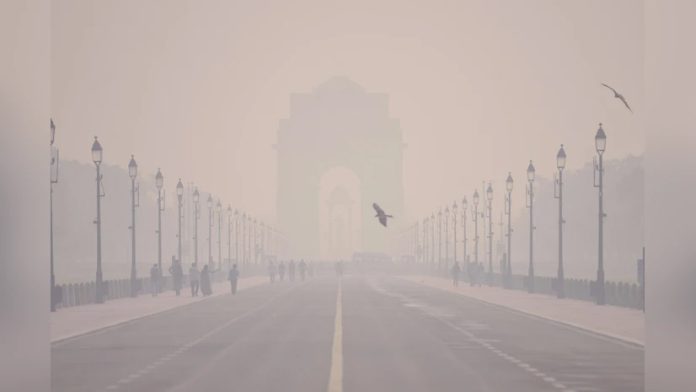
NEW DELHI: On November 1, Delhi’s air quality remained in the ‘poor’ category, with the overall Air Quality Index (AQI) rising slightly to 251 from 218 the previous day, according to data from the Central Pollution Control Board (CPCB).
The city continues to grapple with environmental challenges, as the AQI at eight monitoring stations was recorded in the ‘very poor’ category. In contrast, other areas showed ‘poor’ air quality, highlighting the severity of pollution in the capital.
Particularly concerning, Wazirpur recorded the highest AQI reading of 333, indicating a critical level of air pollution. The CPCB’s Sameer app, which provides real-time data on air quality across India, has facilitated the monitoring of these alarming levels.
Experts point to various factors contributing to this deterioration in air quality, including vehicular emissions, industrial discharges, and crop burning in neighboring states. Authorities urge citizens to remain cautious, particularly those with respiratory issues.
The ‘poor’ air quality poses significant health risks, especially for vulnerable populations. Instances of respiratory ailments have reportedly surged as residents battle with smog and related environmental health challenges.
As the winter season approaches, air pollution often escalates in Delhi, prompting concerns about public health and the efficacy of measures implemented to combat pollution. Local officials have been working on initiatives to improve air quality, yet the persistent rise in AQI levels suggests more robust actions are necessary.
Government agencies are encouraging residents to limit outdoor activities and to make use of masks and air purifiers indoors. Additionally, community awareness programs aim at educating the public about effective measures to reduce individual contributions to air pollution.
As authorities monitor the situation closely, researchers continue to analyze the long-term effects of air pollution on public health. The focus remains on crafting policies that not only address immediate concerns but also set a foundation for cleaner air in the future.
In light of these issues, individuals can play a crucial role in mitigating air pollution. Simple actions like reducing waste, using public transportation, and supporting green initiatives contribute to a cleaner environment.
While the outlook for Delhi’s air quality seems challenging, ongoing efforts at both governmental and community levels aim to reduce pollution and safeguard public health. Continued vigilance is vital as residents face another winter season with the persistent specter of poor air quality looming over the city.