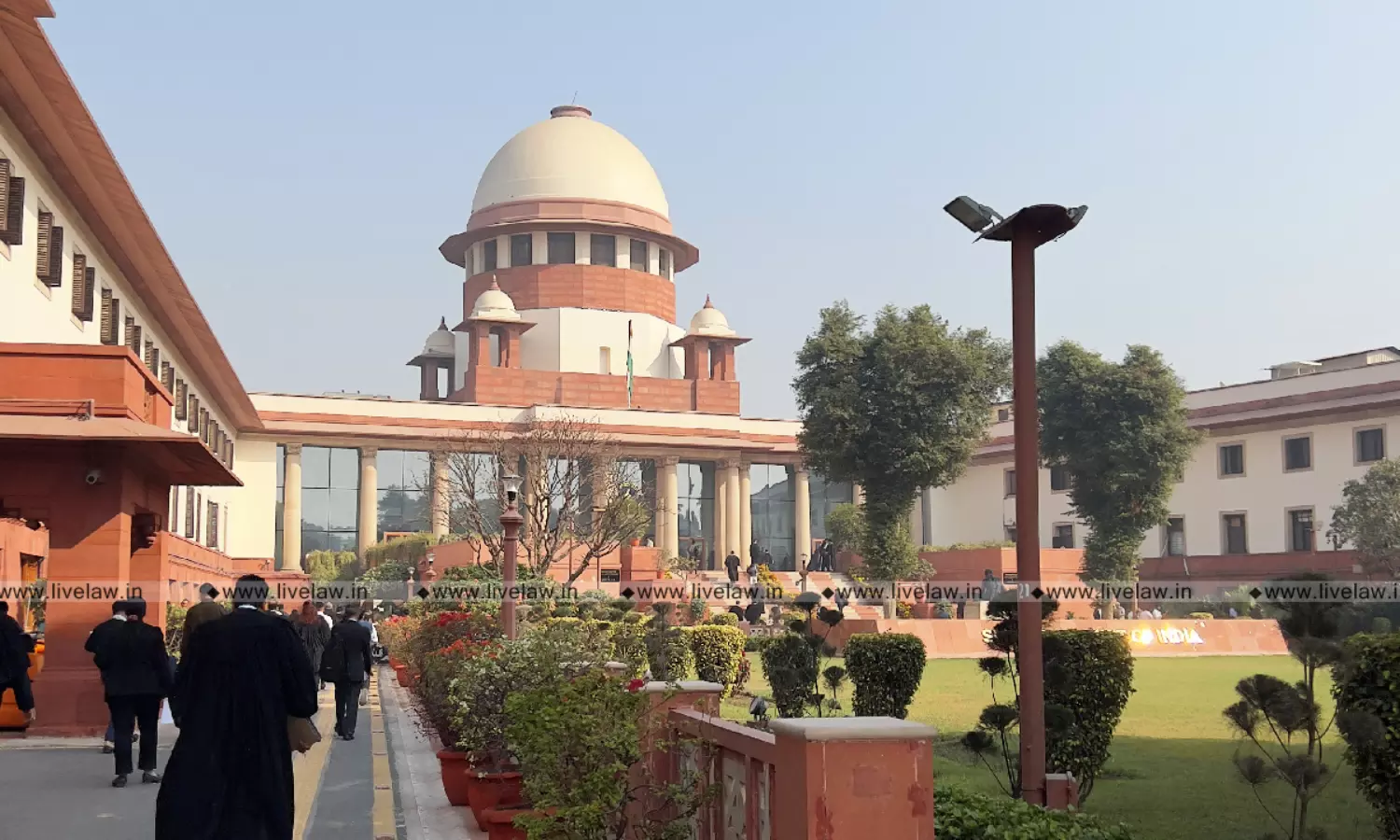
The Supreme Court of India has directed the Central Bureau of Investigation (CBI) to investigate the authenticity of an advocate’s degree following a claim from Magadh University that his educational certificates are forged. The ruling from the apex court comes after a thorough review of documents and appeals regarding the matter.
The case arose when a bench comprising Justices Manoj Misra and Ujjal Bhuyan heard an appeal against the Bar Council of India’s disciplinary committee decision. The committee had raised concerns about the lawyer’s credentials based on a communication from Magadh University’s controller of examinations.
What Sparked the Investigation?
In an official letter, the university claimed that the lawyer’s B.Com degree and marksheet were “forged and not issued from the university.” According to the allegations, the authenticity of the documents cannot be verified as the university records are reported to have been torn.
Order for Document Verification
The Supreme Court instructed the lawyer to present photocopies of his claimed degrees, which included his Bachelor of Commerce (Honours) certification from the university’s 1991 examination. This step was deemed essential to ascertain whether the advocate’s claims held merit.
The lawyer maintained that verification was challenging since the records had been damaged, complicating efforts to confirm his educational background directly with Magadh University.
Supreme Court’s Directive to CBI
On September 15, the Supreme Court emphasized the need for a detailed investigation. The bench stated, “We deem it appropriate to require the Central Bureau of Investigation to ascertain whether the degree set up by the Petitioner of having passed the B.Com examination from Magadh University in the year 1991 is genuine or forged.”
This directive marks a pivotal moment in the case, highlighting the Supreme Court’s commitment to upholding legal integrity and the standards expected from legal professionals in India.
CBI’s Next Steps
The Supreme Court has mandated the CBI to assign an officer to launch an investigation and report findings by November 3. This timeline emphasizes the urgency of the matter, reflecting the court’s desire to reach a swift resolution.
Such investigations are crucial, as they uphold the credibility of the legal profession while ensuring that fraudulent activities do not taint the justice system.
Importance of Educational Credential Verification
In the context of rising concerns about fake degrees and qualifications in various sectors, this case serves as a reminder of the need for rigorous educational credential verification processes. According to recent statistics by the Institute for Credentialing Excellence, around 25% of job applicants may misrepresent their academic qualifications.
Legal experts suggest that mandatory audits of educational documents should be centralized and systematic. These measures can contribute to a transparent legal profession where the qualifications of practitioners are trustable.
This situation stresses the significance of maintaining educational integrity and the role of regulatory bodies in ensuring that only qualified individuals practice law.
As this case unfolds, many stakeholders will be eagerly awaiting the CBI’s report, which will play a critical role in determining the advocate’s standing and the robustness of the legal framework regarding educational qualifications.